- (423) 702.5233
- [email protected]

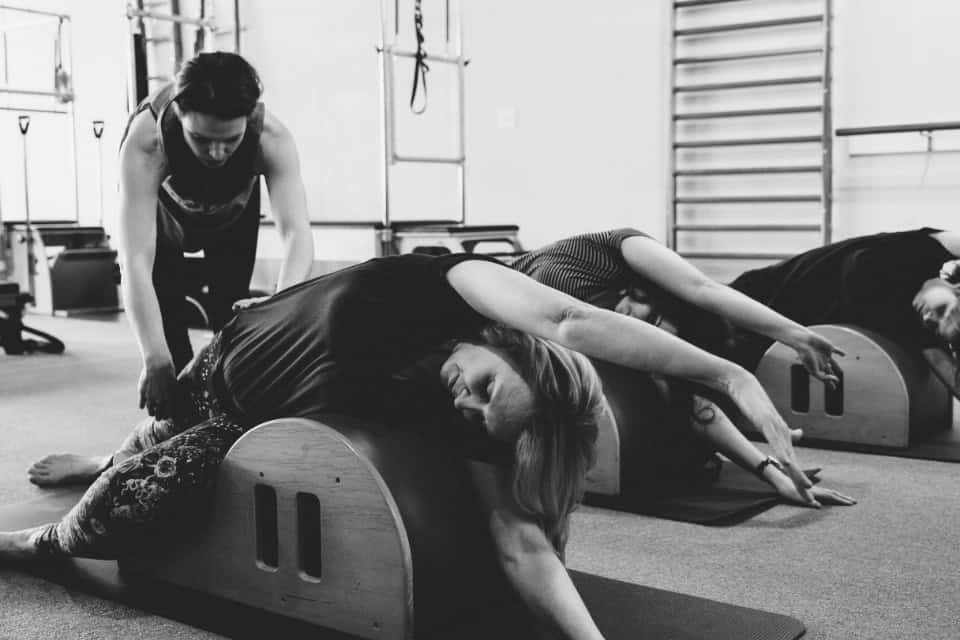
Rather than focusing only on the place that hurts—or the exercise you’re trying to do—Restorative Movement looks at how your whole body is working together.
An achy knee might have something to do with what’s happening at your hip or foot. A cranky shoulder might lead back to your ribcage.
Sometimes changing something that seems completely unrelated can make all the difference.
That’s one of the things I love most about this work.
Instead of asking, “What’s wrong?”, the focus shifts to getting curious about what’s happening and what other possibilities are available.
Your body doesn’t operate as a collection of separate parts.
Your feet influence your knees and hips. Your pelvis and ribcage influence how your spine and shoulders move. All of these relationships affect how you walk, balance, breathe, bend, reach, and exercise.
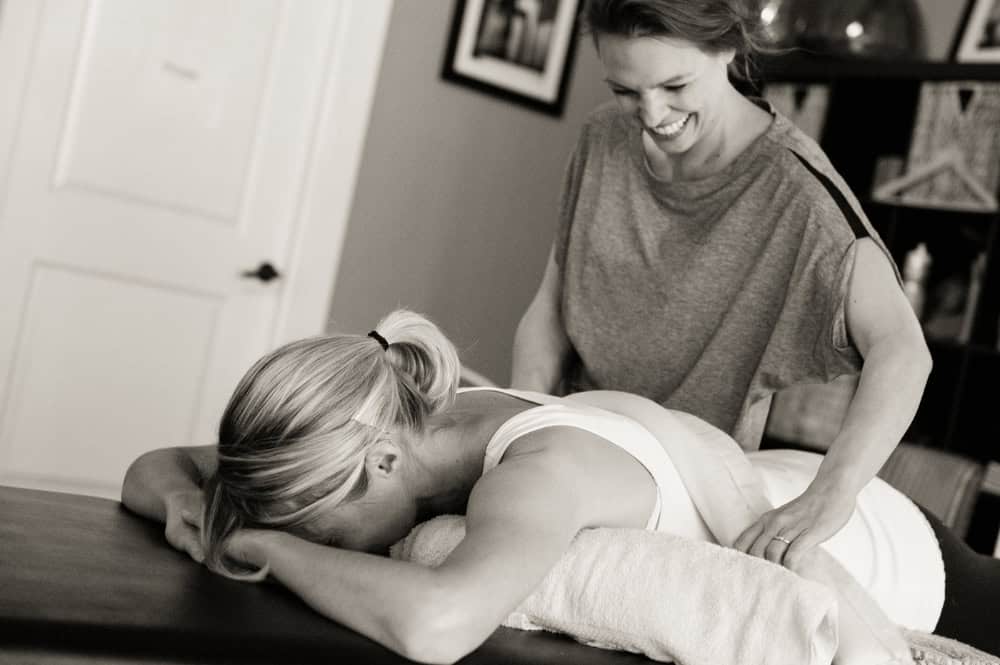
Your body gets really good at the things you spend a lot of time doing—like sitting in a chair.
The flip side?
Movements you rarely do—like sitting on the floor—gradually become harder.
And modern life makes this incredibly easy.
We sit in chairs. Walk on mostly flat surfaces. Wear shoes. Drive. Work at computers.
And many movements our bodies are capable of—squatting, reaching, rotating, getting down on the floor, moving our feet and ankles in different ways—may not happen very often.
Your body adapts beautifully to all of that.
If one area isn’t moving as freely, another area will contribute a little more. That’s not necessarily a bad thing. It’s your body finding a way to get you where you need to go.
But sometimes those strategies can leave you feeling stiff, achy, unstable, or simply wondering why something that used to feel easy doesn’t anymore.
So rather than asking:
Restorative Movement offers another question to explore:
How you move and use your body every day matters.
When you consistently change how you move and use your body, your body begins to change, too.
How you move today reflects, in part, how you’ve used your body over time.
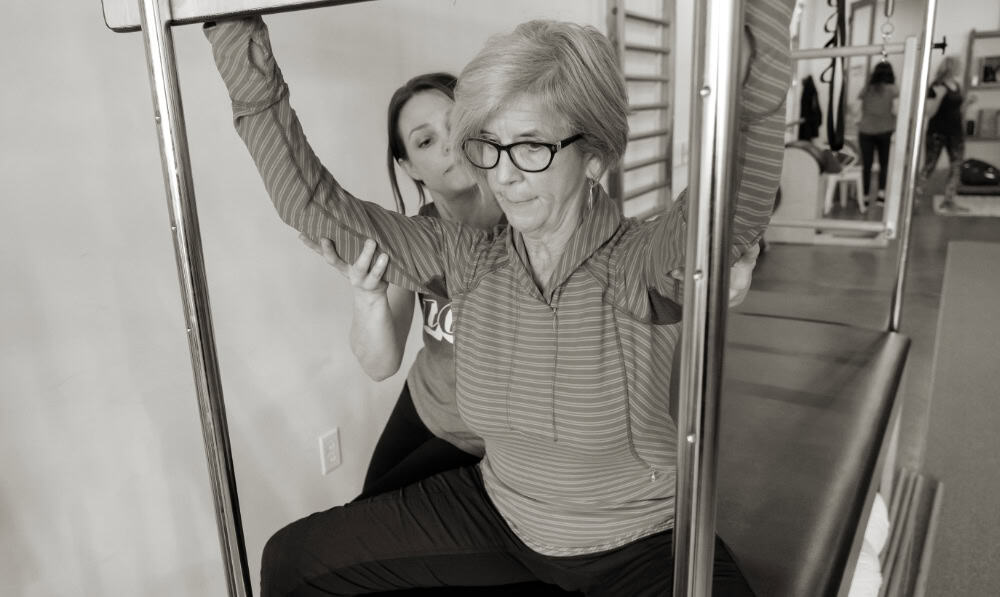
It starts with you.
What you’re noticing? What feels easy? What doesn’t? Is there something you’d like to be able to do more comfortably or confidently?
A session might include exploring your feet, walking, hips, spine, core, pelvic floor, shoulders—or a particular exercise or movement that’s giving you trouble.
From there, movement becomes an opportunity to experiment.
You won’t leave with a list of things that are “wrong” or a rigid protocol to follow.
My goal is for you to leave with a better understanding of your body, a few practical tools you can use on your own, and maybe even a completely different perspective on what’s possible.
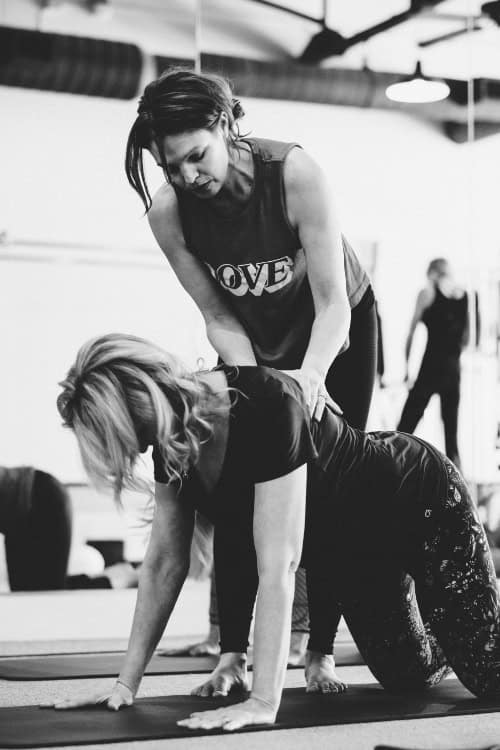
Rather than focusing only on the place that hurts—or the exercise you’re trying to do—we look at how your whole body is working together.
Because the place you feel something isn’t always where the story begins.
An achy knee might lead us to look at what’s happening at your hip or foot. A cranky shoulder might have us exploring your ribcage.
Sometimes changing something that seems completely unrelated can make a movement suddenly feel different.
That’s one of the things I love most about this work.
Instead of asking, “What’s wrong?”, we get curious about what’s happening and what other possibilities might be available.
Many people discover Restorative Movement because something hurts.
Maybe you want to:
Sometimes there’s a specific issue you’d like help with.
Sometimes you’re simply curious about your body and what’s possible.
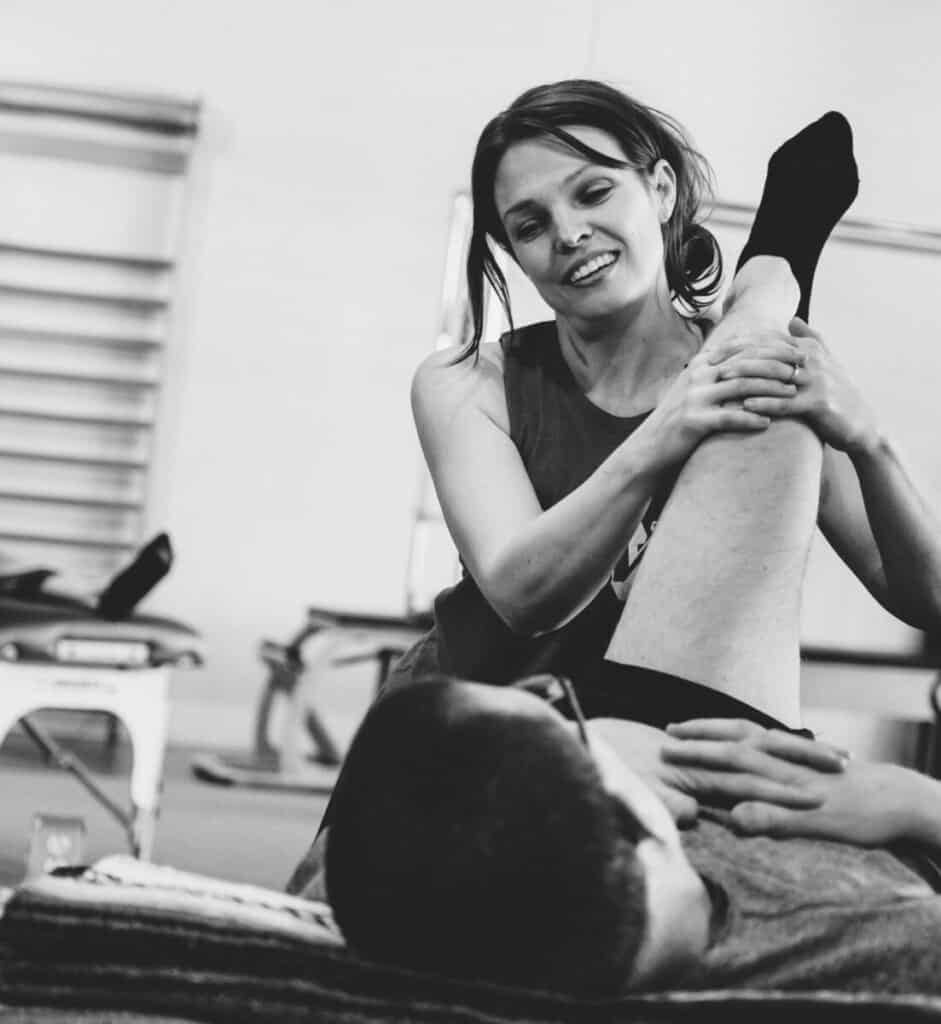
My work has been shaped by more than two decades of studying and teaching movement, including Pilates, Restorative Exercise, Fascial Stretch Therapy, Core Intelligence, and other movement and alignment modalities.
Over the years, those influences—and the thousands of people I’ve had the privilege of working with—have taught me something important:
No single exercise, cue, or approach is right for every body or every situation.
That’s why curiosity is such a big part of this work.
Restorative Movement offers a way to better understand what’s happening and explore what else might be possible.
Sydney
Tell me a little about what you’re experiencing, what you’re curious about, or what you’d like to be able to do or feel differently.
If you’d like to book a Restorative Movement session, fill out the form below. I’ll contact you directly, and we’ll find a time that works best for you.
Get FREE videos and articles to help you learn to move easily in a pain-free body…